


How to Ensure Safety When Dealing with Natural Gas
Natural gas is a common energy source used in many homes and businesses. It powers heating systems, stoves, water heaters, and more. While natural gas is efficient and cost-effective, it can be dangerous if not handled properly. Understanding how to stay safe around natural gas is crucial to prevent accidents, injuries, and property damage.
Understanding Gas Safety Guidelines
When working with or around natural gas, following strict safety guidelines is essential. These guidelines help minimize risks and ensure that gas appliances and systems operate safely.
Regular Inspections: Schedule professional inspections of your gas lines and appliances at least once a year. Certified technicians can detect leaks, corrosion, or faulty equipment before they become hazardous.
Proper Ventilation: Ensure that rooms with gas appliances have adequate ventilation. This prevents the buildup of gas or carbon monoxide, which can be deadly.
Use Approved Equipment: Only use appliances and fittings that meet safety standards. Avoid makeshift repairs or unapproved parts.
Know the Smell: Natural gas is odorless, but a chemical called mercaptan is added to give it a distinctive rotten egg smell. If you detect this odor, it could indicate a leak.
Emergency Procedures: Have a clear plan for what to do if you suspect a gas leak. This includes evacuating the area, avoiding electrical switches, and calling emergency services immediately.
By adhering to these gas safety guidelines, you can protect yourself and others from potential dangers associated with natural gas.

How to Detect and Respond to Gas Leaks
Detecting a gas leak early is vital for safety. Here are practical steps to identify and respond to leaks:
Signs of a Leak: Besides the rotten egg smell, listen for hissing sounds near gas lines or appliances. You might also notice dead or discolored vegetation near outdoor gas lines.
Immediate Actions: If you suspect a leak, do not use any electrical devices, including phones, inside the building. Turn off the gas supply if you know how, open windows and doors to ventilate, and leave the premises immediately.
Call for Help: Contact your gas company or emergency services from a safe location. Do not re-enter the building until professionals declare it safe.
Preventive Maintenance: Regularly check flexible gas connectors and replace them if they show signs of wear or damage.
Taking these steps seriously can prevent explosions, fires, and health hazards caused by gas leaks.

Is it Safe to Be Around Natural Gas?
Natural gas itself is not toxic, but it can be dangerous in certain situations. When used correctly, it is safe and reliable. However, improper handling or leaks can lead to serious risks:
Fire and Explosion Risk: Natural gas is highly flammable. A small spark can ignite leaked gas, causing fires or explosions.
Health Hazards: Inhaling natural gas in large amounts can cause dizziness, headaches, nausea, or even suffocation due to oxygen displacement.
Carbon Monoxide Poisoning: Faulty gas appliances can produce carbon monoxide, a colorless, odorless gas that is deadly in high concentrations.
To stay safe, always ensure your gas appliances are installed and maintained by qualified professionals. Install carbon monoxide detectors near sleeping areas and test them regularly.

Best Practices for Safe Natural Gas Use at Home
Implementing best practices in your home can significantly reduce the risk of gas-related accidents:
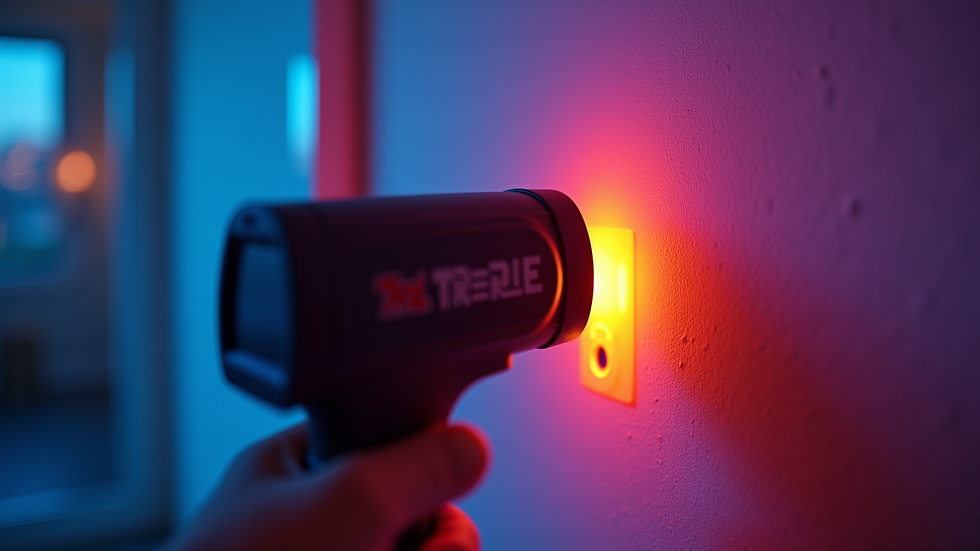
Install Gas Detectors: Use natural gas detectors in areas where gas appliances are located. These devices alert you to leaks early.
Keep Appliances Clean: Regularly clean burners and vents to ensure efficient combustion and prevent blockages.
Avoid DIY Repairs: Never attempt to repair gas lines or appliances yourself. Always hire licensed professionals.
Educate Household Members: Make sure everyone in your home knows how to recognize gas leak signs and what to do in an emergency.
Turn Off Gas When Not in Use: If you plan to be away for an extended period, consider turning off the main gas supply.
By following these steps, you create a safer environment for your family and property.
When to Call a Professional for Gas Safety Concerns
Knowing when to seek professional help is critical. Here are situations that require immediate expert attention:
Suspected Gas Leak: If you smell gas or hear unusual sounds near gas lines.
Appliance Malfunction: If a gas appliance is not working properly, emits strange odors, or causes frequent pilot light outages.
After Natural Disasters: Earthquakes, floods, or storms can damage gas lines. Have a professional inspect your system afterward.
Installation or Upgrades: Any new gas appliance installation or system upgrade should be done by certified technicians.
Routine Maintenance: Annual inspections and servicing help maintain safety and efficiency.
Remember, your safety depends on timely and professional intervention.
For more detailed information on natural gas safety, visit trusted resources and consult licensed experts.
By understanding and applying these gas safety guidelines, you can confidently manage natural gas in your home or workplace. Prioritize safety, stay informed, and never hesitate to call professionals when in doubt. Your vigilance can prevent accidents and protect lives.


Comments