


Hidden Water Leak Detection: Finding Hidden Water Leaks Effectively
- Powerflush Pros
- Apr 20
- 4 min read
Water leaks can be sneaky. They hide behind walls, under floors, or beneath your property, quietly causing damage and driving up your water bill. If you’ve ever wondered how to spot these hidden culprits before they turn into costly disasters, you’re in the right place. I’m here to walk you through the best ways to detect hidden water leaks effectively, so you can protect your property and peace of mind.
Understanding Hidden Water Leak Detection
Detecting hidden water leaks isn’t just about fixing a dripping faucet or a visible pipe burst. It’s about uncovering those leaks you can’t see or hear easily. These leaks often go unnoticed for weeks or months, causing structural damage, mold growth, and wasted water. That’s why hidden water leak detection is crucial for any property owner.
Leaks can happen anywhere: behind drywall, under concrete slabs, or inside irrigation systems. The challenge is that water doesn’t always pool where the leak is. It can travel along pipes or seep into materials, making the source hard to find. That’s why relying on your eyes or ears alone won’t cut it.
Why Hidden Leaks Are a Big Deal
Costly Repairs: The longer a leak goes undetected, the more damage it causes. Walls, floors, and foundations can weaken.
High Water Bills: Even a small leak can waste hundreds of gallons monthly.
Health Risks: Moisture encourages mold and mildew, which can affect indoor air quality.
Property Value: Undetected leaks can reduce your property’s value and complicate future sales.
The good news? With the right approach and tools, you can catch leaks early and save yourself a lot of trouble.
Tools and Techniques for Hidden Water Leak Detection
When it comes to hidden water leak detection, technology and simple observation go hand in hand. Here are some of the most effective tools and methods you can use:
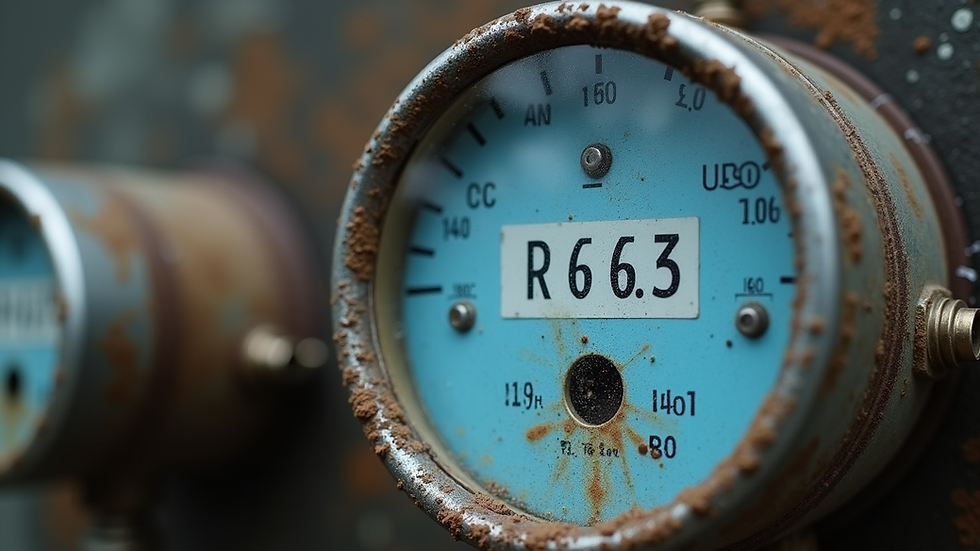
1. Monitor Your Water Meter
Your water meter is your first line of defense. Here’s how to use it:
Turn off all water fixtures and appliances.
Check the meter reading and note it down.
Avoid using any water for at least two hours.
Check the meter again. If the numbers have changed, you likely have a leak.
This simple test can quickly tell you if water is flowing when it shouldn’t be.
2. Listen for Sounds of Water
Sometimes, you can hear leaks if you listen closely:
Use a mechanic’s stethoscope or a simple metal rod pressed against pipes.
Listen for dripping, hissing, or running water sounds.
Focus on areas near water heaters, under sinks, or behind walls.
3. Infrared Cameras
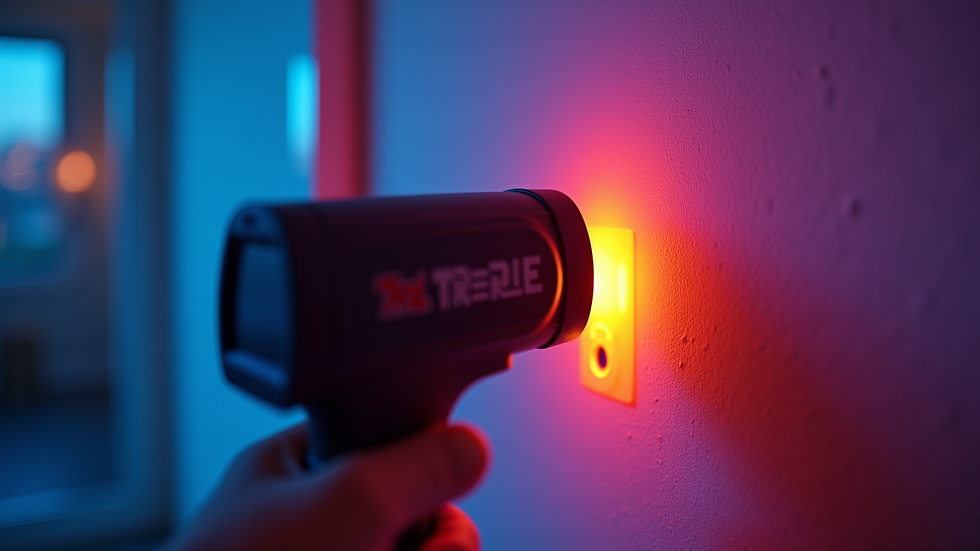
Infrared or thermal imaging cameras detect temperature differences caused by moisture. Wet areas often appear cooler than dry ones. This method is non-invasive and can scan large areas quickly.
4. Moisture Meters
These handheld devices measure moisture levels in walls, floors, and ceilings. High readings can indicate hidden leaks or water damage.
5. Dye Testing
For toilets or irrigation systems, adding a non-toxic dye to the water can help identify leaks. If the dye appears where it shouldn’t, you’ve found your leak.
6. Professional Leak Detection Services
Sometimes, the best option is to call in experts who use advanced equipment like acoustic sensors, video pipe inspection cameras, and pressure testing to pinpoint leaks precisely.

How to find a hidden water leak in a house?
Finding a hidden water leak in a house can feel like a detective mission. But with a systematic approach, you can uncover leaks before they cause serious damage.
Step 1: Check for Visible Signs
Look for:
Water stains or discoloration on walls and ceilings.
Peeling paint or wallpaper.
Warped or soft flooring.
Musty or moldy smells.
Unexplained puddles or damp spots.
Step 2: Inspect Plumbing Fixtures
Check under sinks and around toilets for drips.
Look at water heaters and washing machines for leaks.
Inspect outdoor faucets and irrigation systems.
Step 3: Use Your Water Meter Test
As mentioned earlier, this is a quick way to confirm if a leak exists.
Step 4: Conduct a Pressure Test
If you have access to your home’s main water shutoff valve, you can perform a pressure test. Turn off all water, note the pressure gauge reading, and see if it drops over time. A drop indicates a leak.
Step 5: Use Leak Detection Tools
Use moisture meters on suspicious areas.
Employ infrared cameras if available.
Consider dye tests for toilets and irrigation.
Step 6: Call a Professional if Needed
If you can’t find the leak or if it’s in a hard-to-reach place, don’t hesitate to get professional help. They have the tools and experience to locate leaks quickly and accurately.
Preventing Hidden Water Leaks Before They Start
Prevention is always better than cure. Here are some tips to keep your property leak-free:
Regular Inspections: Check your plumbing and irrigation systems at least twice a year.
Maintain Appliances: Replace old hoses and fixtures before they fail.
Insulate Pipes: Protect pipes from freezing and cracking.
Monitor Water Bills: Sudden spikes can indicate leaks.
Install Leak Detectors: Smart water sensors can alert you to leaks early.
By staying proactive, you reduce the risk of hidden leaks causing damage.
When to Act Fast: Signs You Need Immediate Leak Detection
Some signs mean you shouldn’t wait to investigate:
Sudden increase in water bills.
Visible water pooling or flooding.
Mold growth or persistent damp smells.
Structural damage like sagging ceilings or floors.
Water pressure drops or irregularities.
If you notice any of these, act quickly. Early detection can save thousands in repairs.
Your Next Step in Hidden Water Leak Detection
If you’re wondering how to find a hidden water leak, start with the basics: check your water meter, look for visible signs, and listen carefully. Use the tools and tips I’ve shared to narrow down the source. And remember, when in doubt, calling a professional can save you time, money, and stress.
Hidden water leaks don’t have to be a mystery. With the right approach, you can catch them early and keep your property safe and dry. Don’t wait for a small drip to turn into a big problem. Take action today and enjoy the peace of mind that comes with knowing your home or business is leak-free.


Comments